Close Call, Data Literacy Tool
Experience Design, Research, User Testing, Interaction Design, Branding, Prototyping, Collaboration
Problem
We are continuously capturing data from the world around us. This data is harnessed in numerous ways to push the boundaries of human understanding and ability. The lack of data literacy, or the understanding of the basic concepts of handling data, is still a significant roadblock. SAS, a leader in Analytics, has a goal of improving data literacy starting early in school. In collaboration with SAS, our goal was to explore creative tools to improve data literacy among a range of users starting with middle schoolers.
Approach
Our goal was to develop a tool that would explain a data concept-correlation-and its relevance to understanding a sample data set, allowing users to realize the importance of data literacy. First, we conducted a number of interviews with middle school students and teachers to better understand our users. We learned middle schoolers enjoy narratives, have short attention spans, and want to know why the concepts they are learning are relevant. We developed a digital learning tool-for a tablet-that would keep kids engaged while they improve their data literacy skills.
Solution
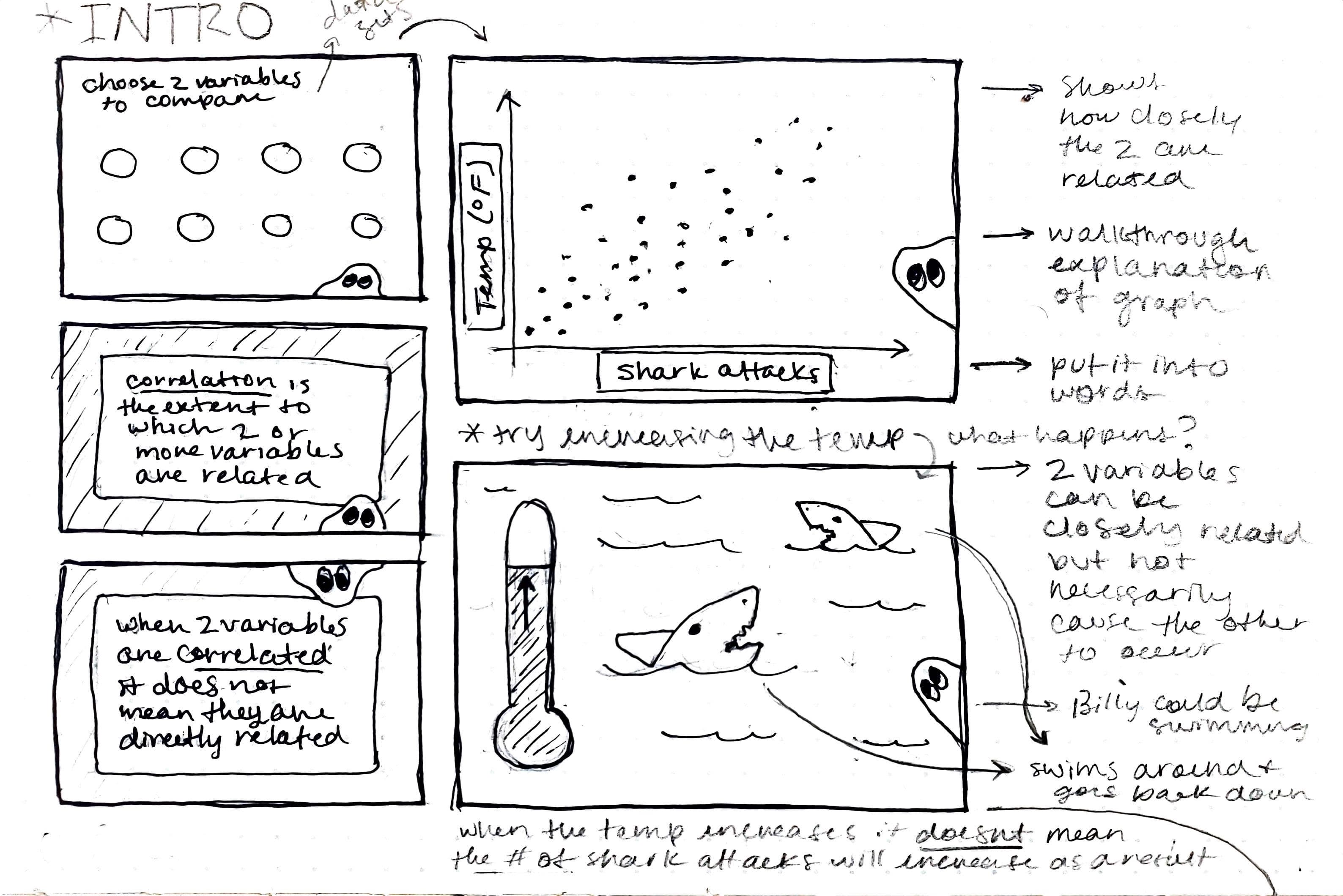
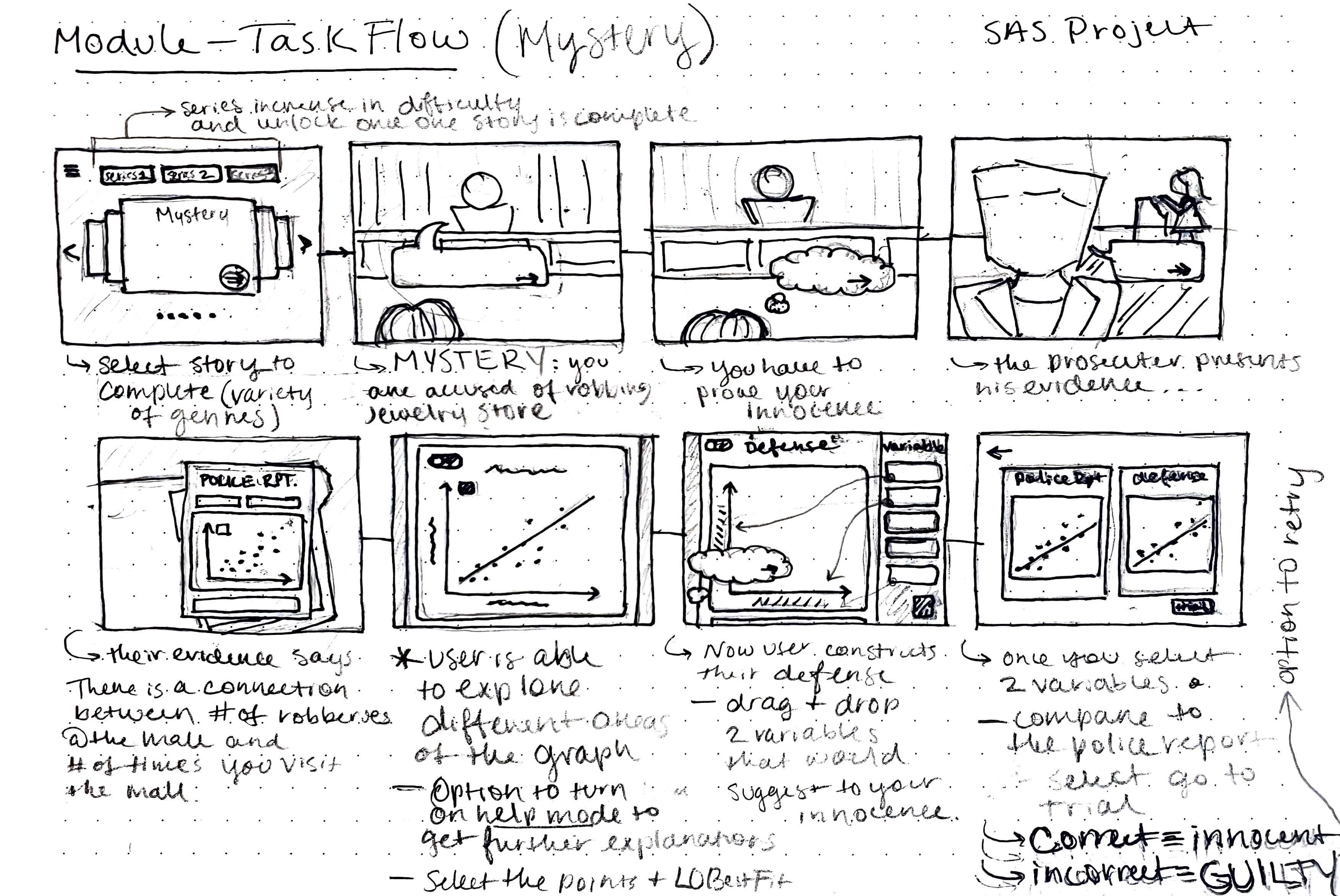
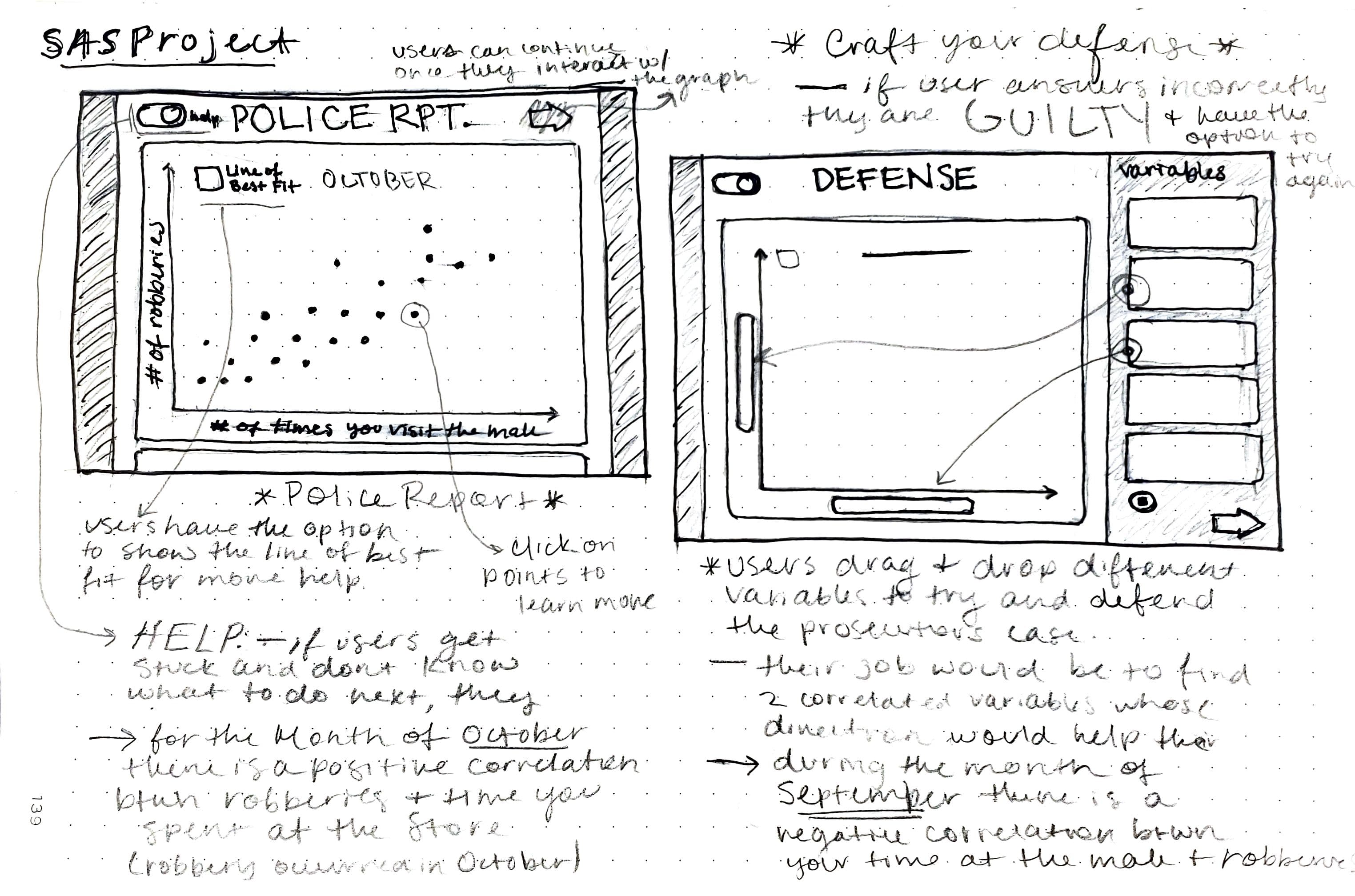
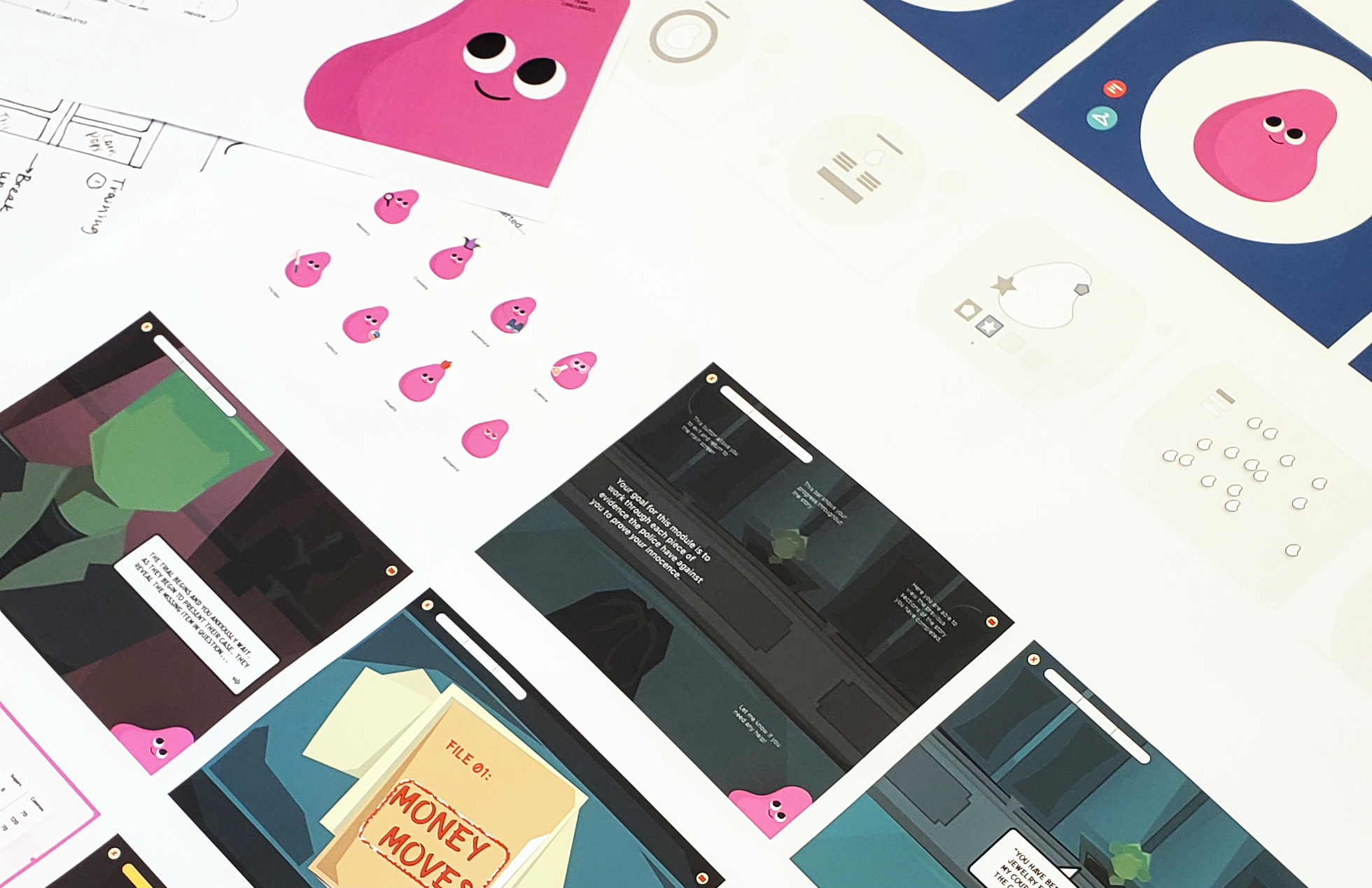
When designing our solution we focused on capturing the attention of middle schoolers who are easily distracted by giving them brief realistic situations to work through. We developed a narrative based game where users would be able to choose from a variety of different stories with different genres. Using the concepts they learn in the game, they must work through critical real life scenarios. The stories increasingly become more difficult as the user completes them. Our tool is designed to be used at home, however, teachers can use it in the classroom to help with their lesson.
Project Launch
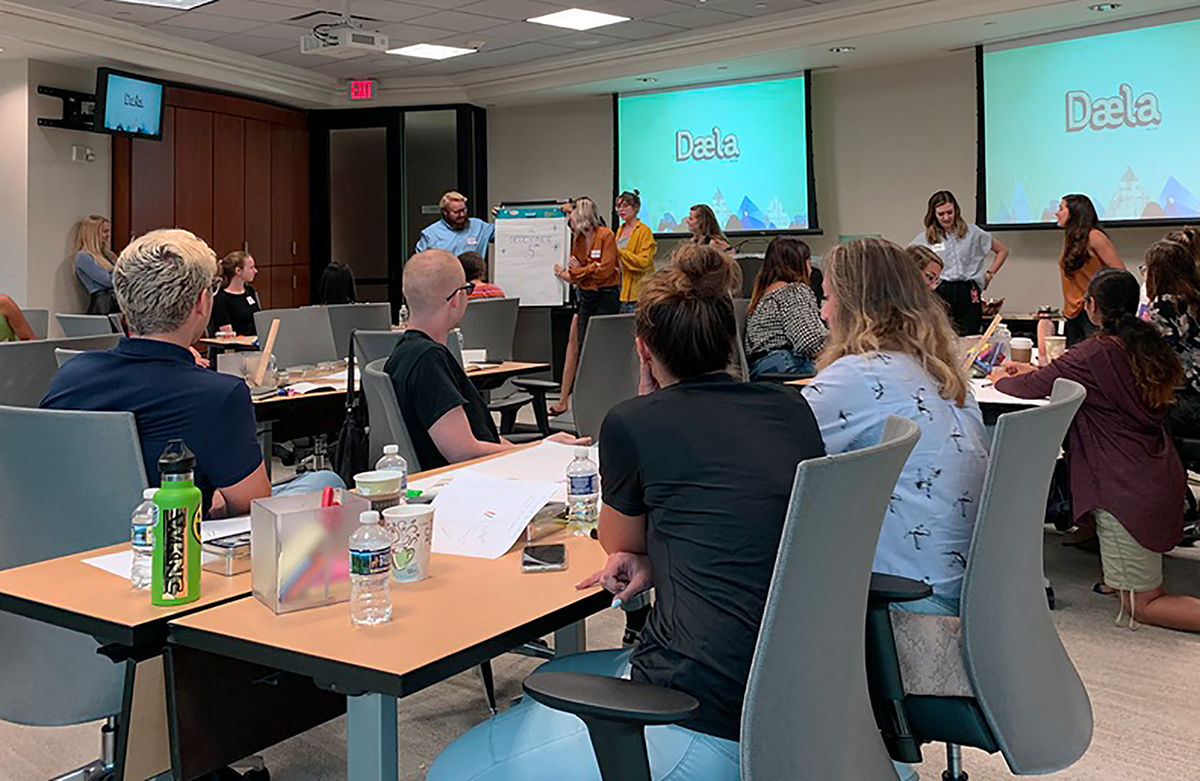
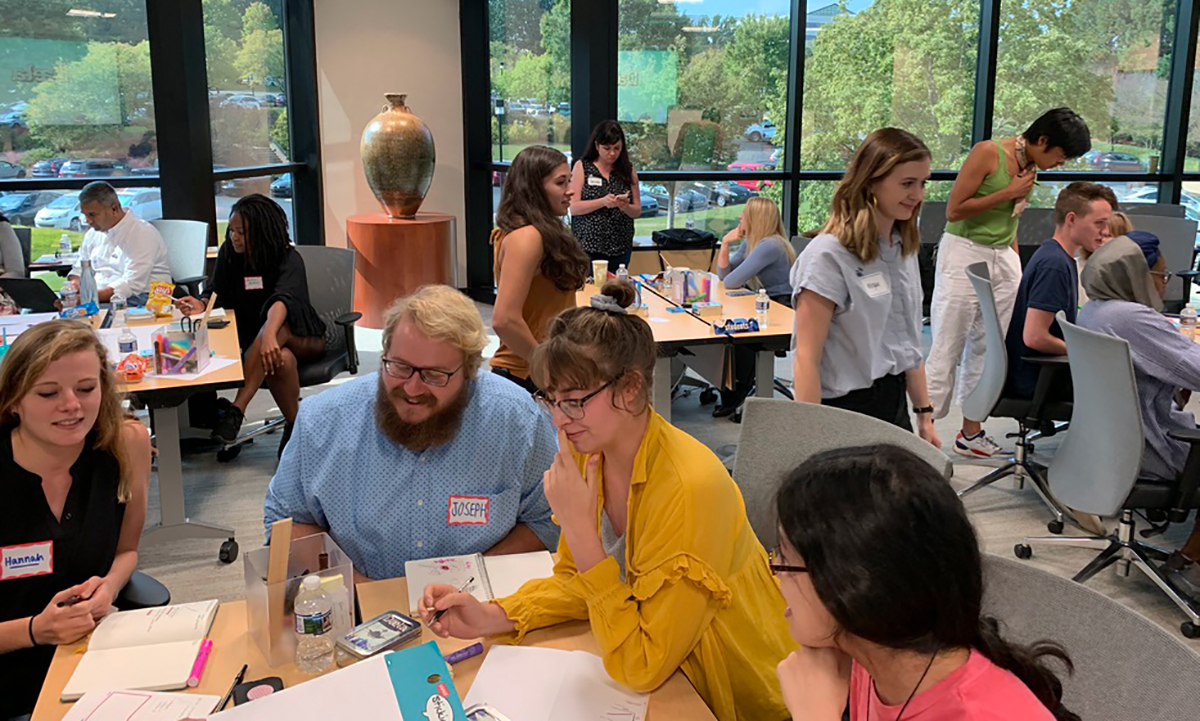
SAS invited our studio to their campus for the project launch where we learned about the company and their goals for the project. We completed design exercises to help us start thinking about data concepts and how we can use this opportunity to step away from the traditional methods of teaching and relate the content to the real world.
Research & Benchmarking Findings
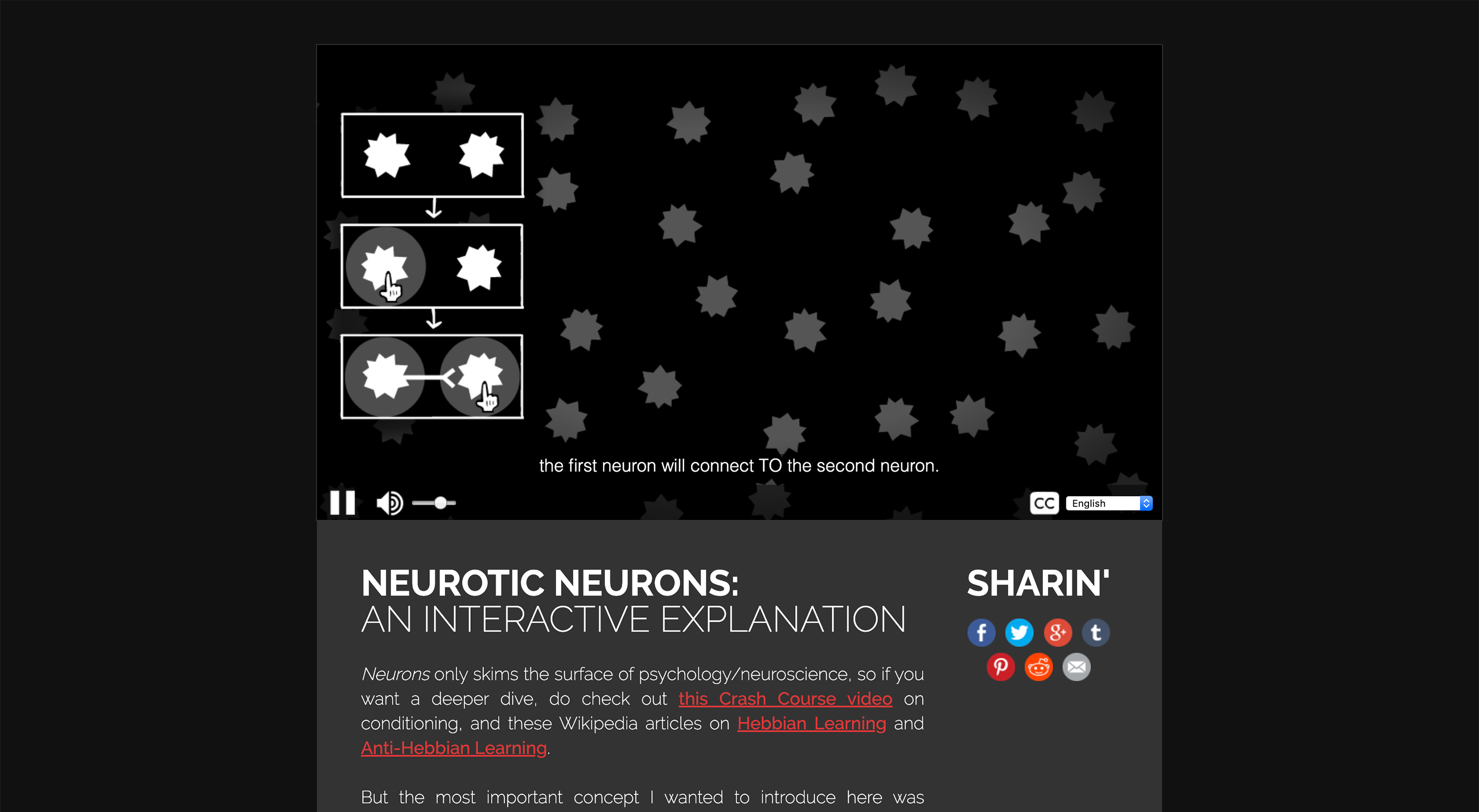
Our next step was to gather insight about how middle schoolers best learn and what they struggle with. For this project we were focusing particularly on at risk kids with learning barriers. We also researched and analyzed existing data literacy tools that effectively engage users in learning a concept. We found that successful tools provide immediate feedback allow users to share progress, use storytelling have simple designs, give positive reinforcement, and simulate real life situations.

Interviews
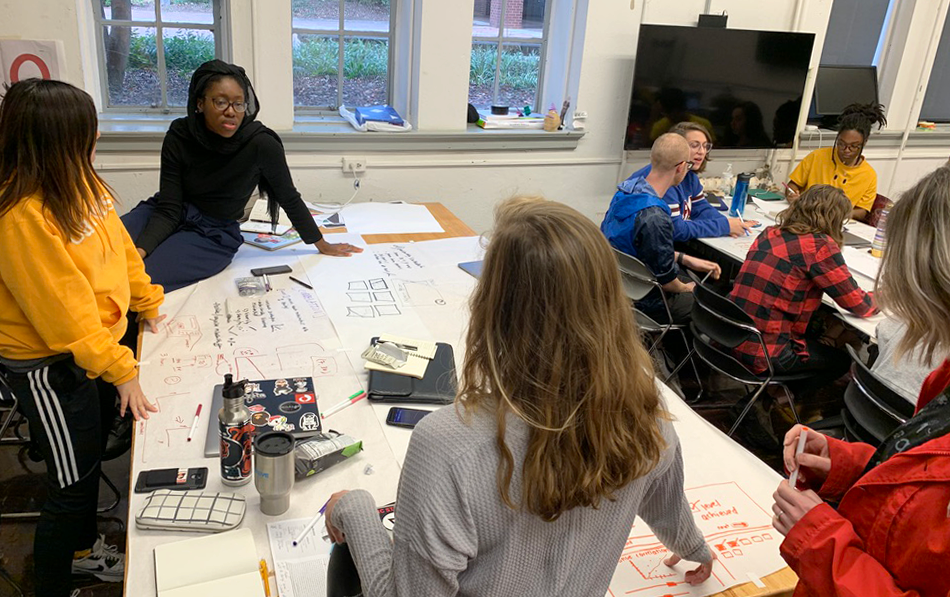
We conducted numerous interviews with middle school students and teachers to ask them about the middle school learning experience. We inquired what they enjoy learning about, what they have trouble with while learning, how they like to work, what devices they use while working, as well as, what gets them excited about the material they are taught.

Persona & Scenario
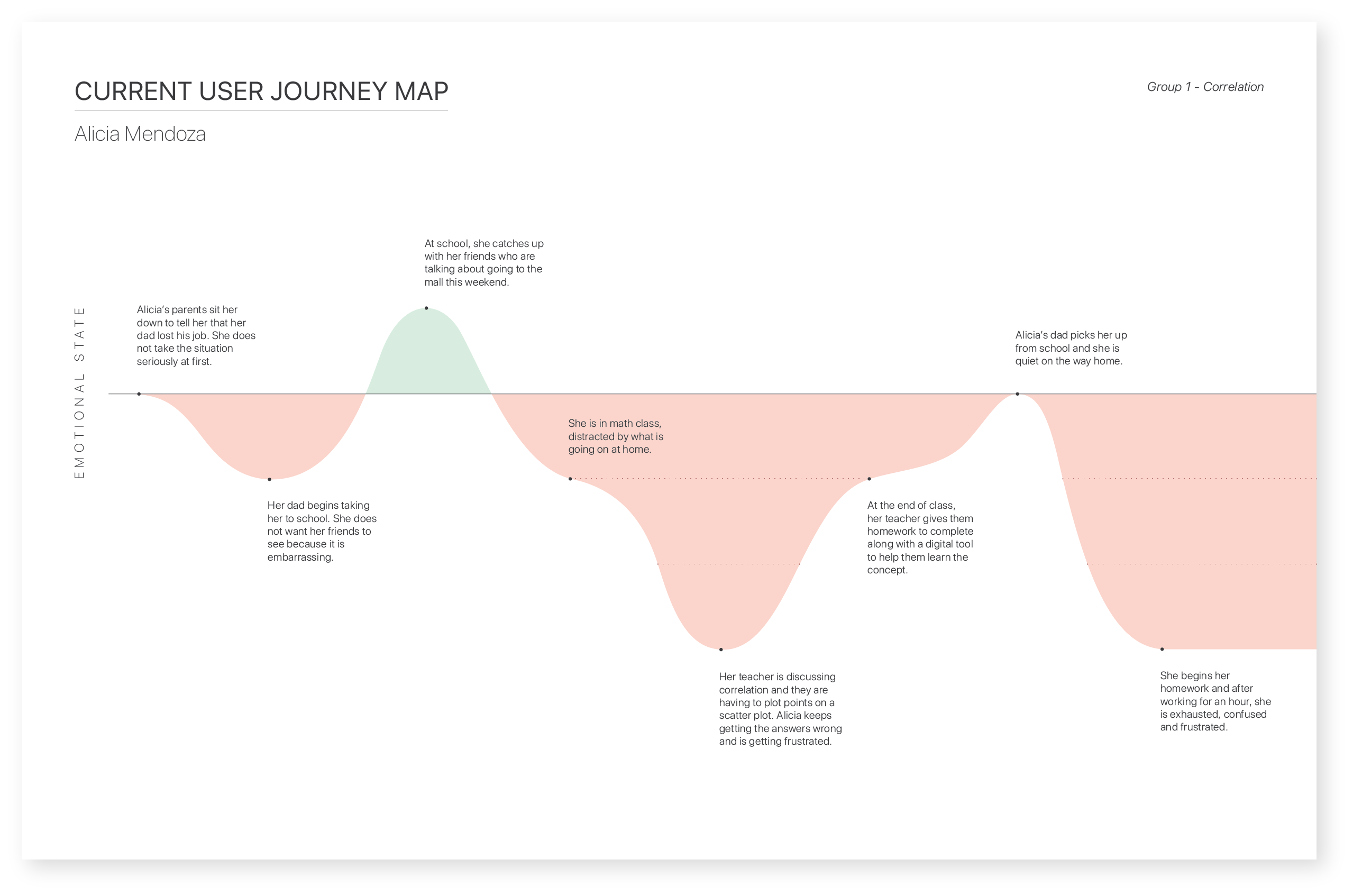
Based on our interviews and research, we built a persona of a middle school student that included at least one barrier to learning with which this student struggles with. While researching middle schoolers we found that students' experience outside of the classroom greatly influence their learning and attention span. Our persona, Alicia, a 12 year old, Latina student, is having trouble focusing in school because she is going through a lifestyle change with her dad getting laid off.

User Journey
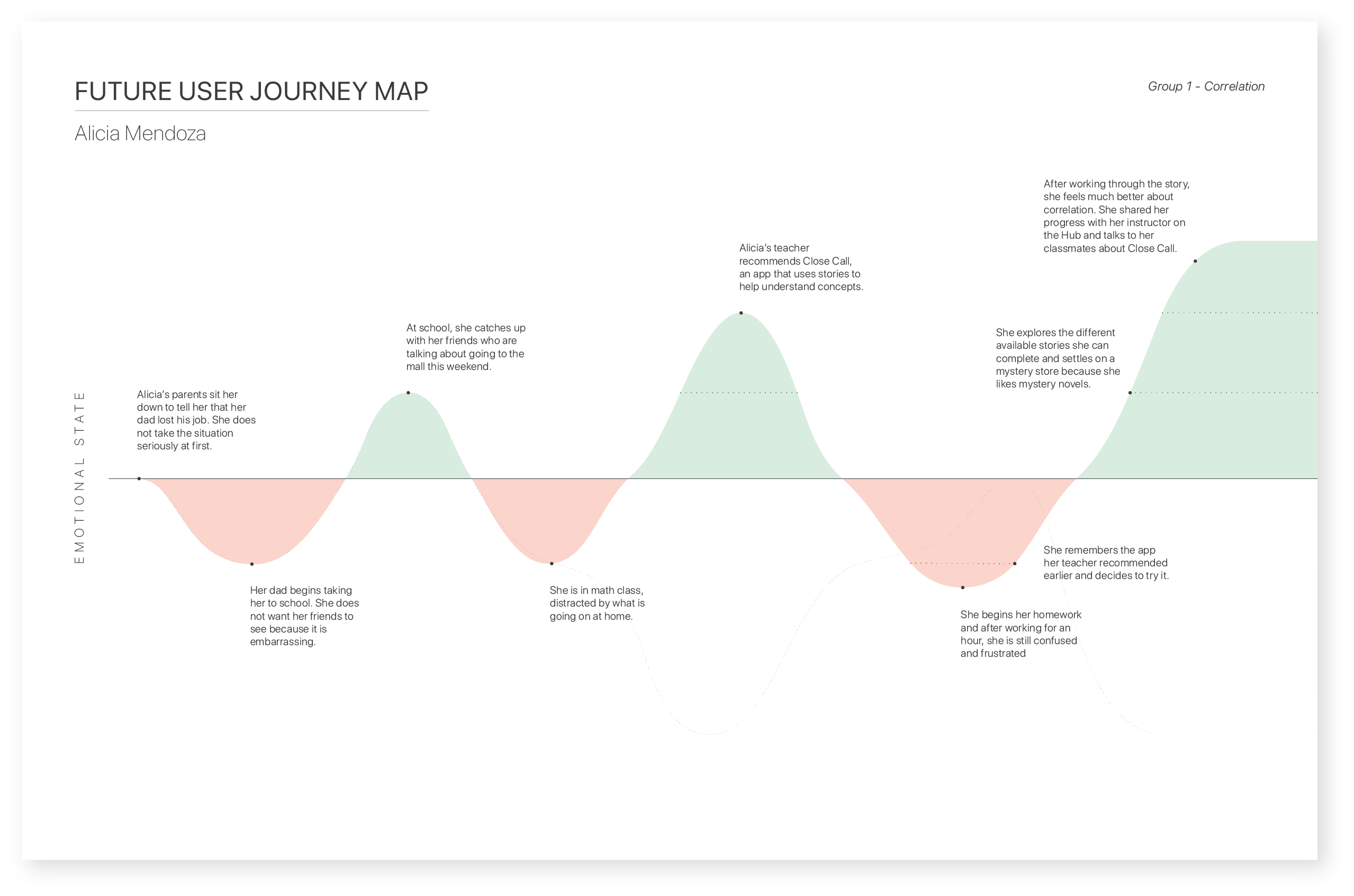
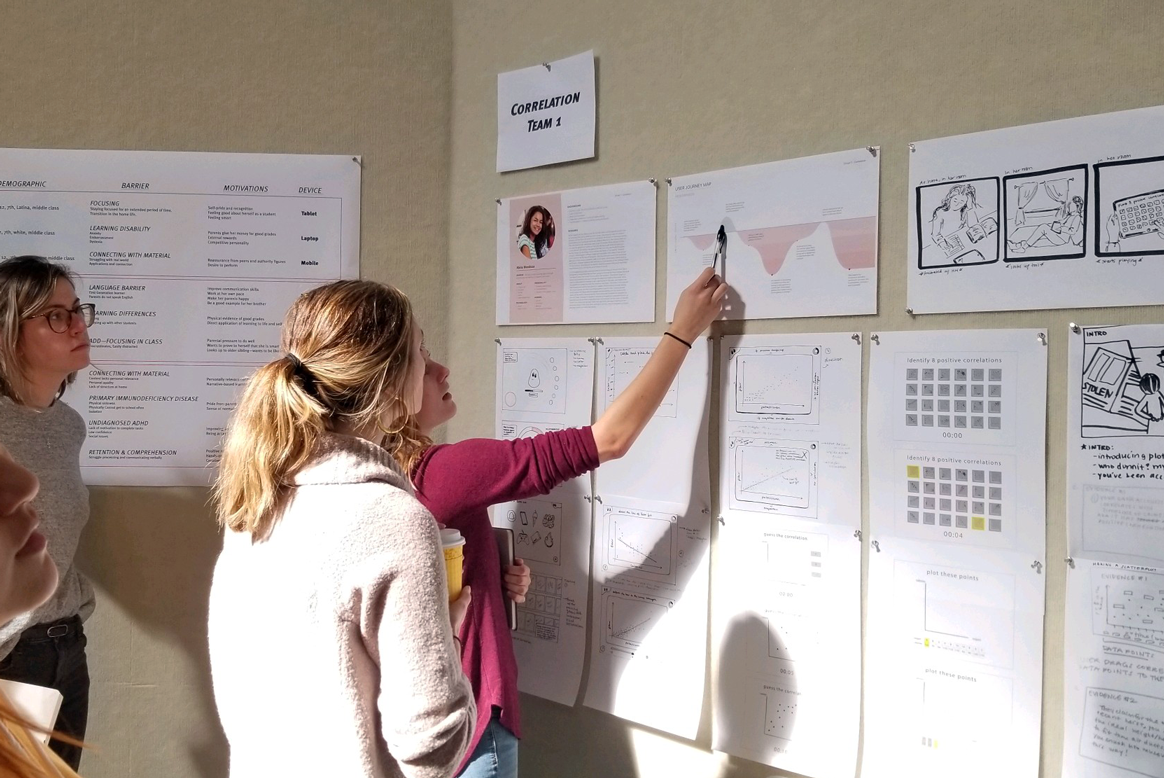
We mapped Alicia's learning experience, showing her emotional state throughout the day, highlighting the moments she struggles the most. From there, we were able to see what parts of her learning experience our tool would be able to improve.
Process
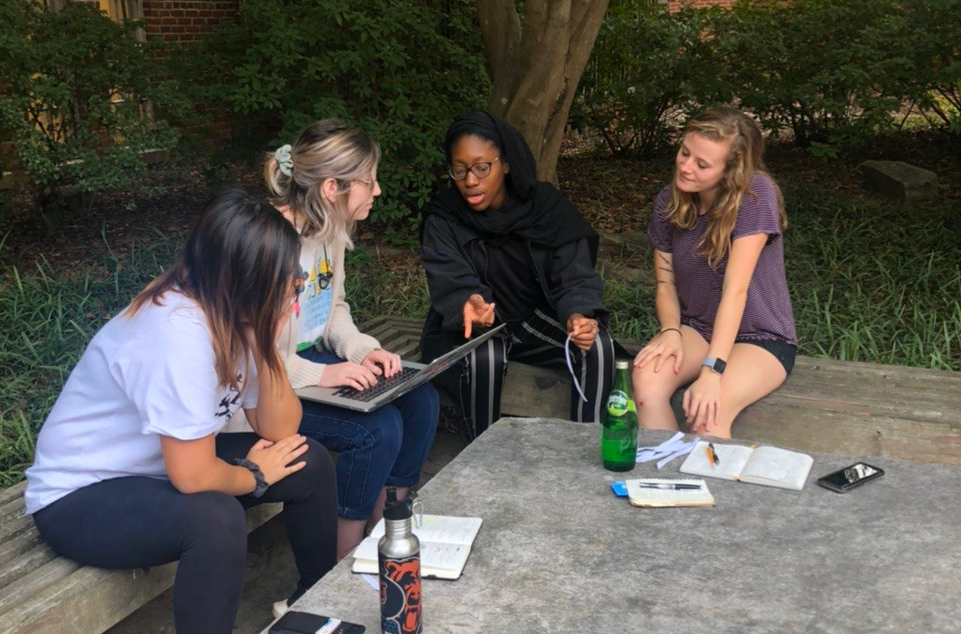
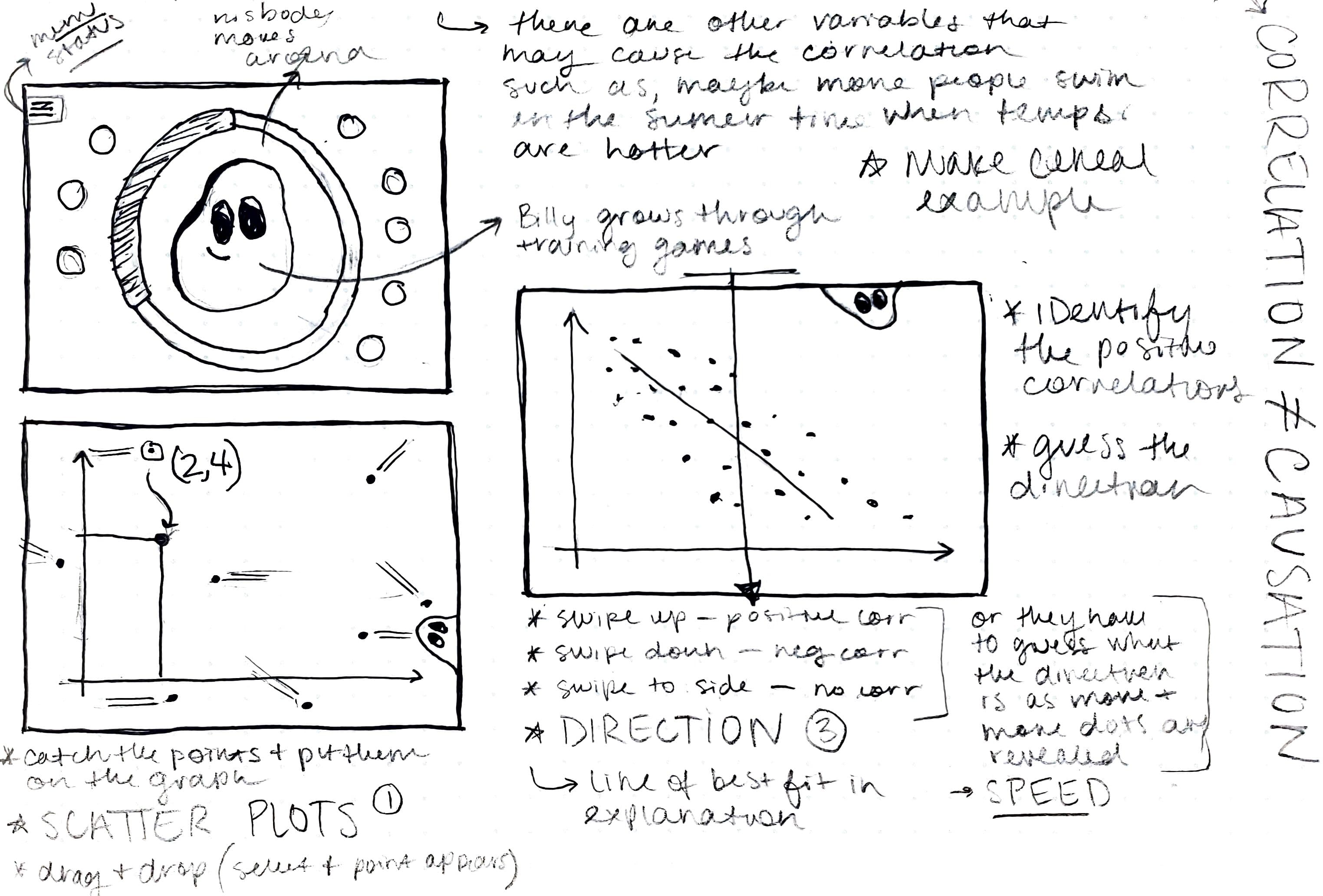
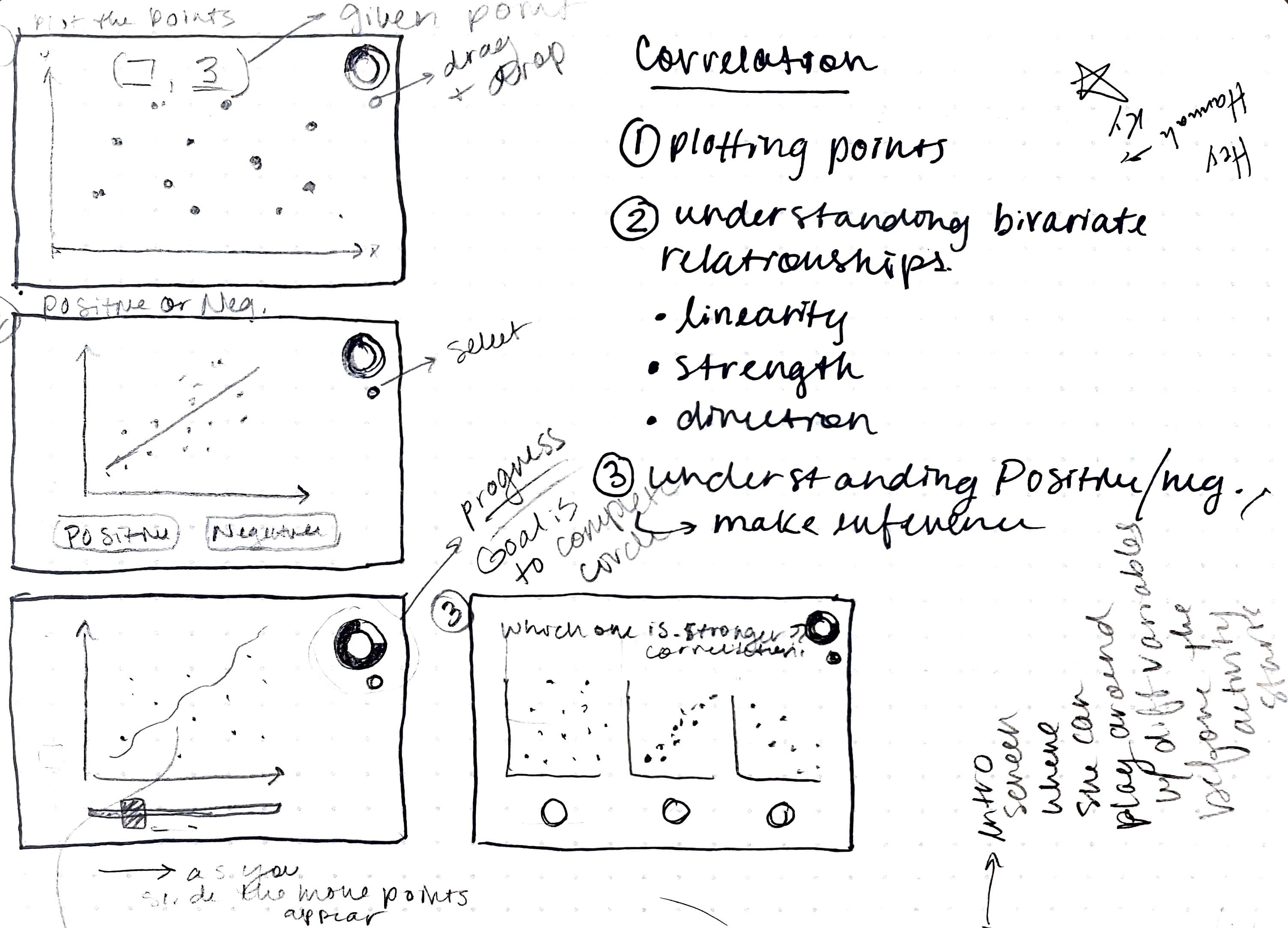
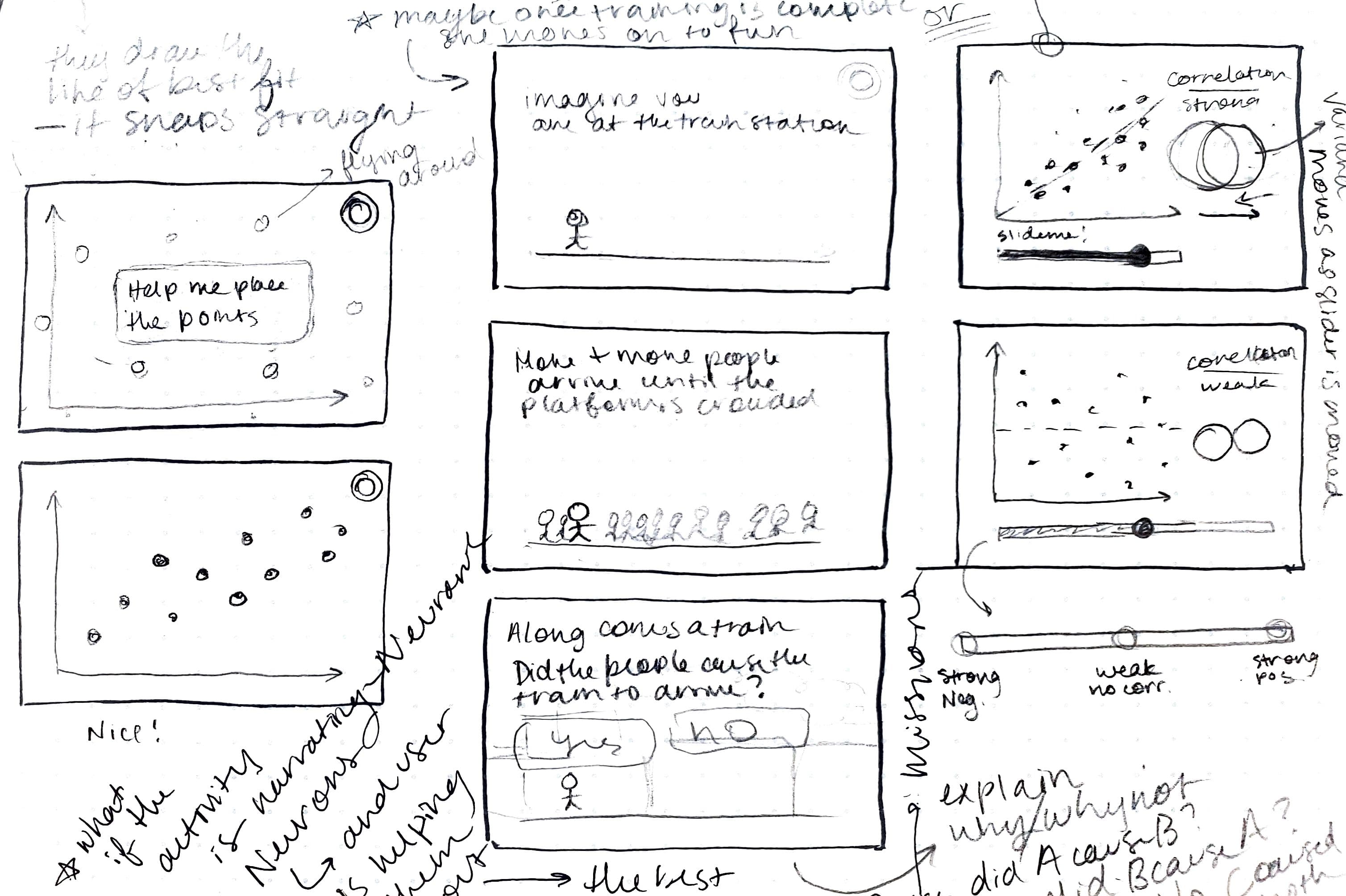
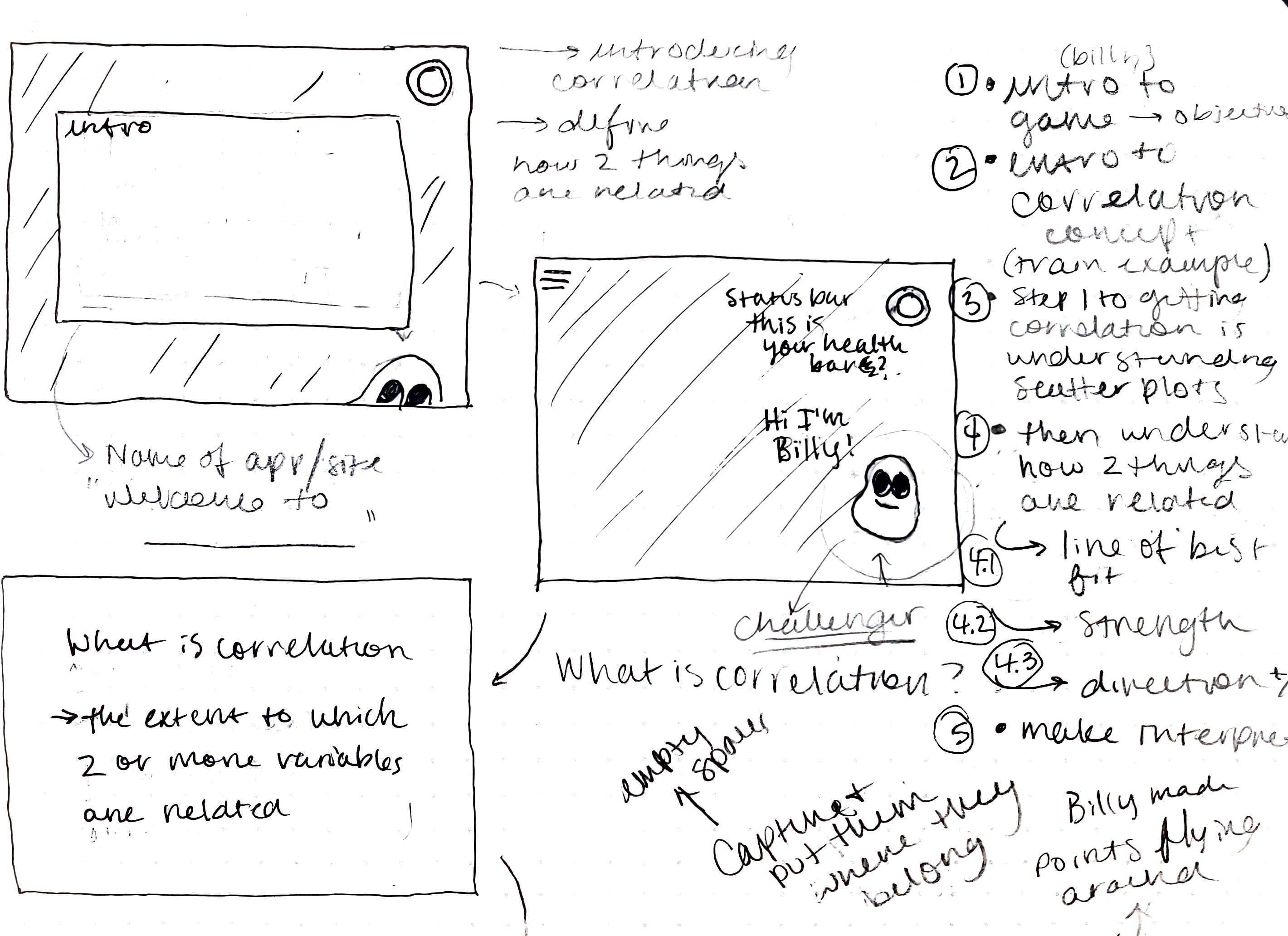
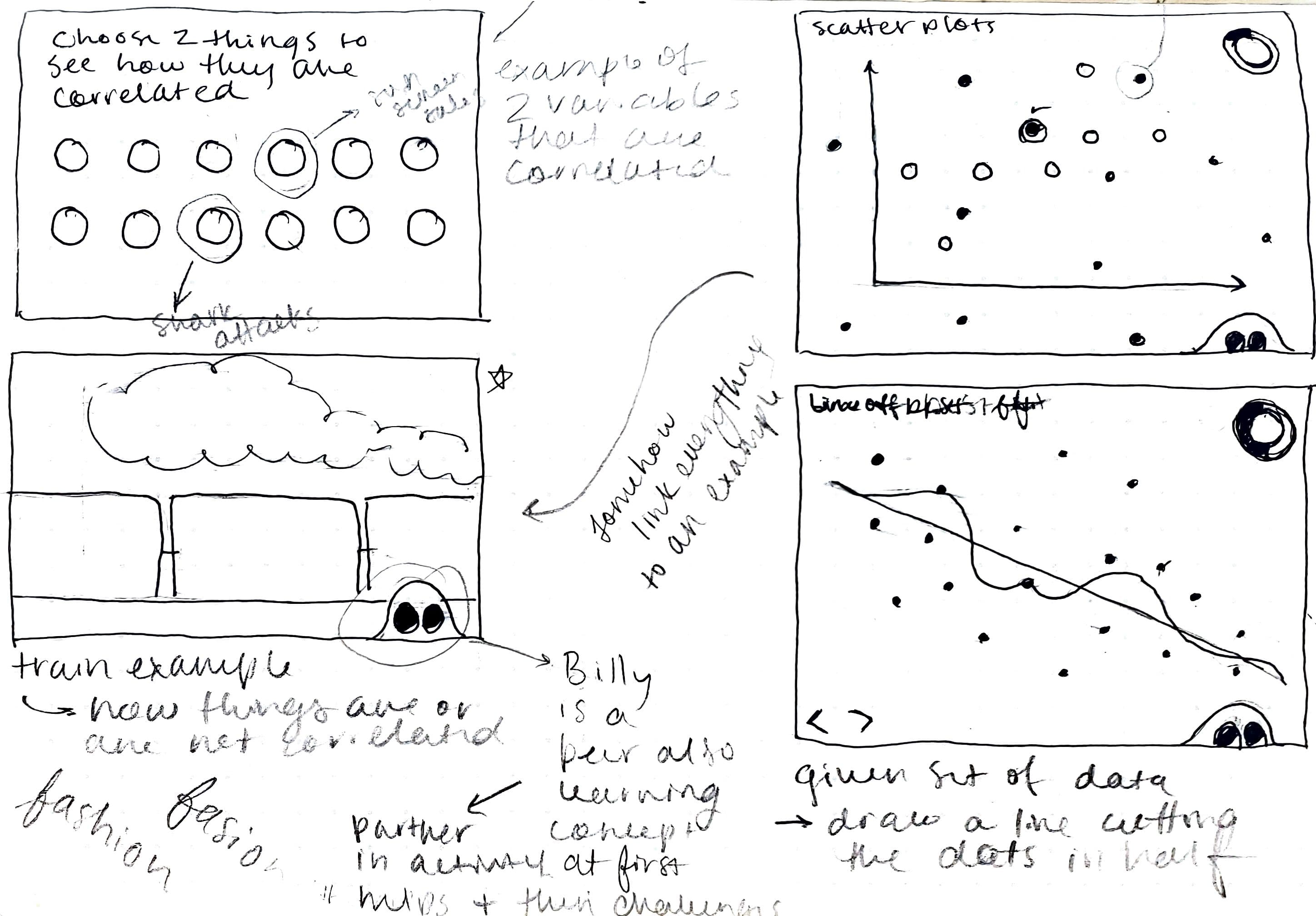
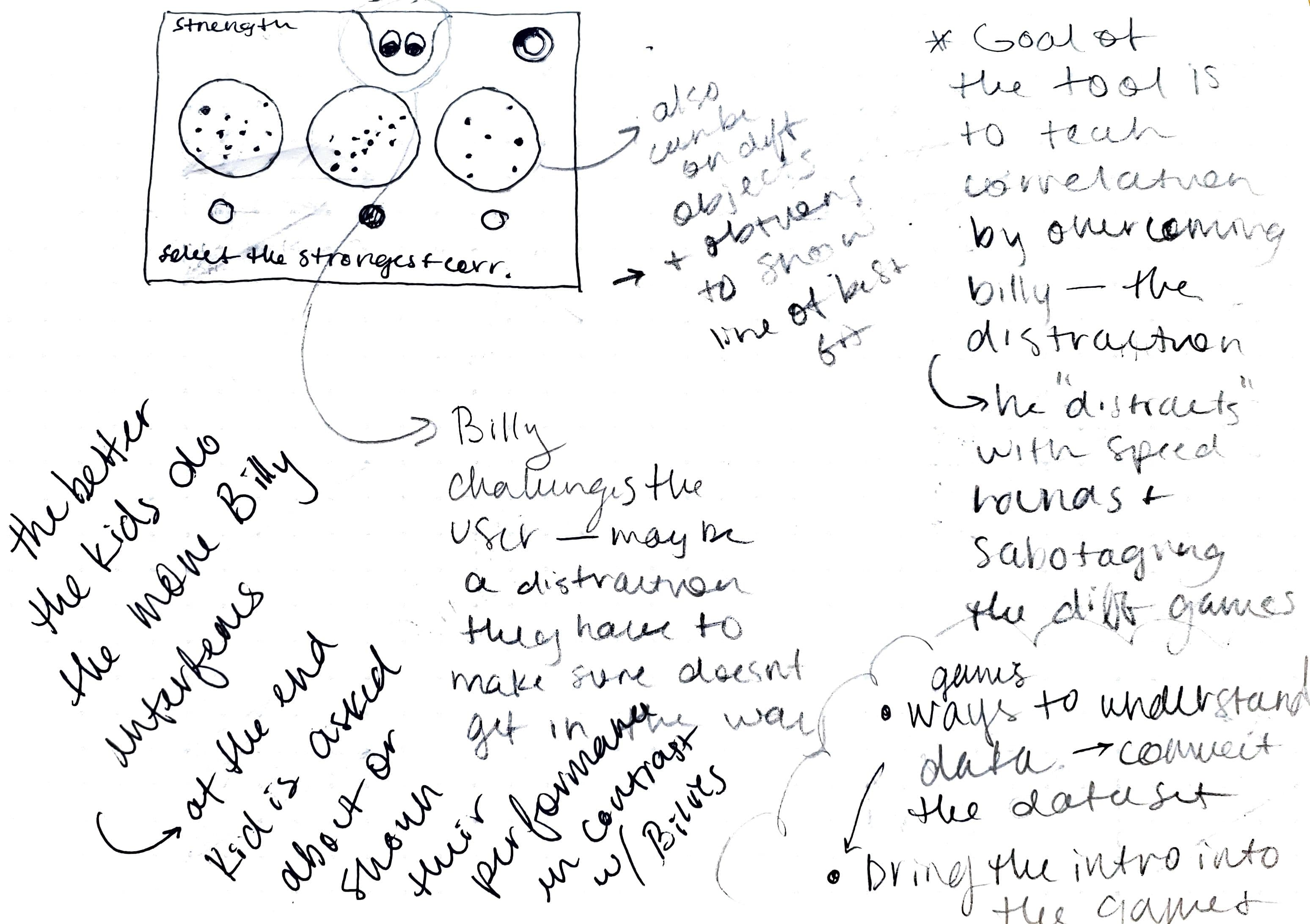
We completed many informal design exercises to help with the progression of the project. These exercises helped us think of new and unexpected ideas, allowing us to develop an effective solution. We began coming up with different ways we could create an interactive learning experience that the kids would enjoy and want to continue playing.

SAS Visits
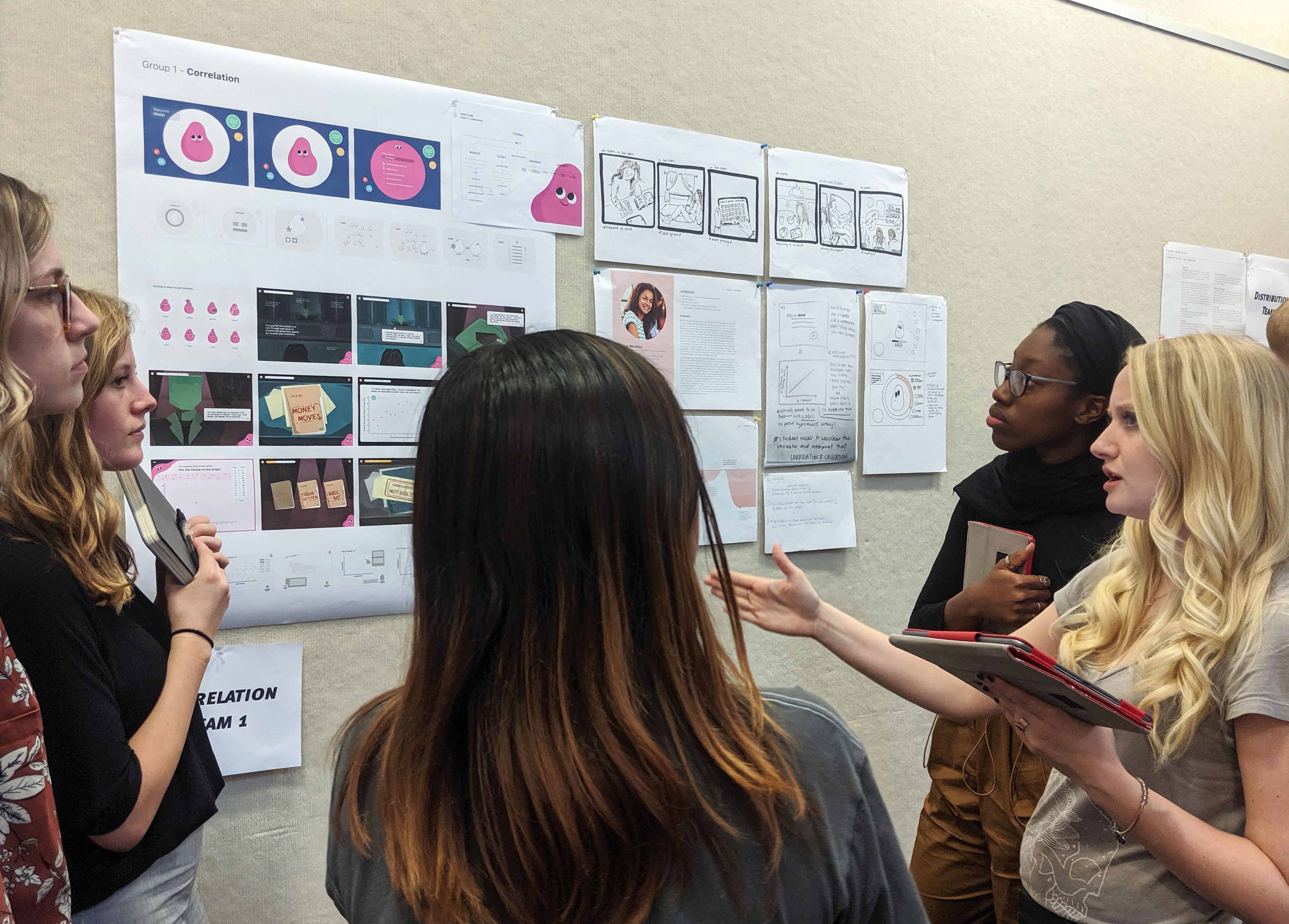
We periodically presented our findings and project development with the SAS team. SAS worked with us to critique and refine our ideas. We developed a prototype to show to the staff along with how our research findings fueled our design decisions.


User Testing
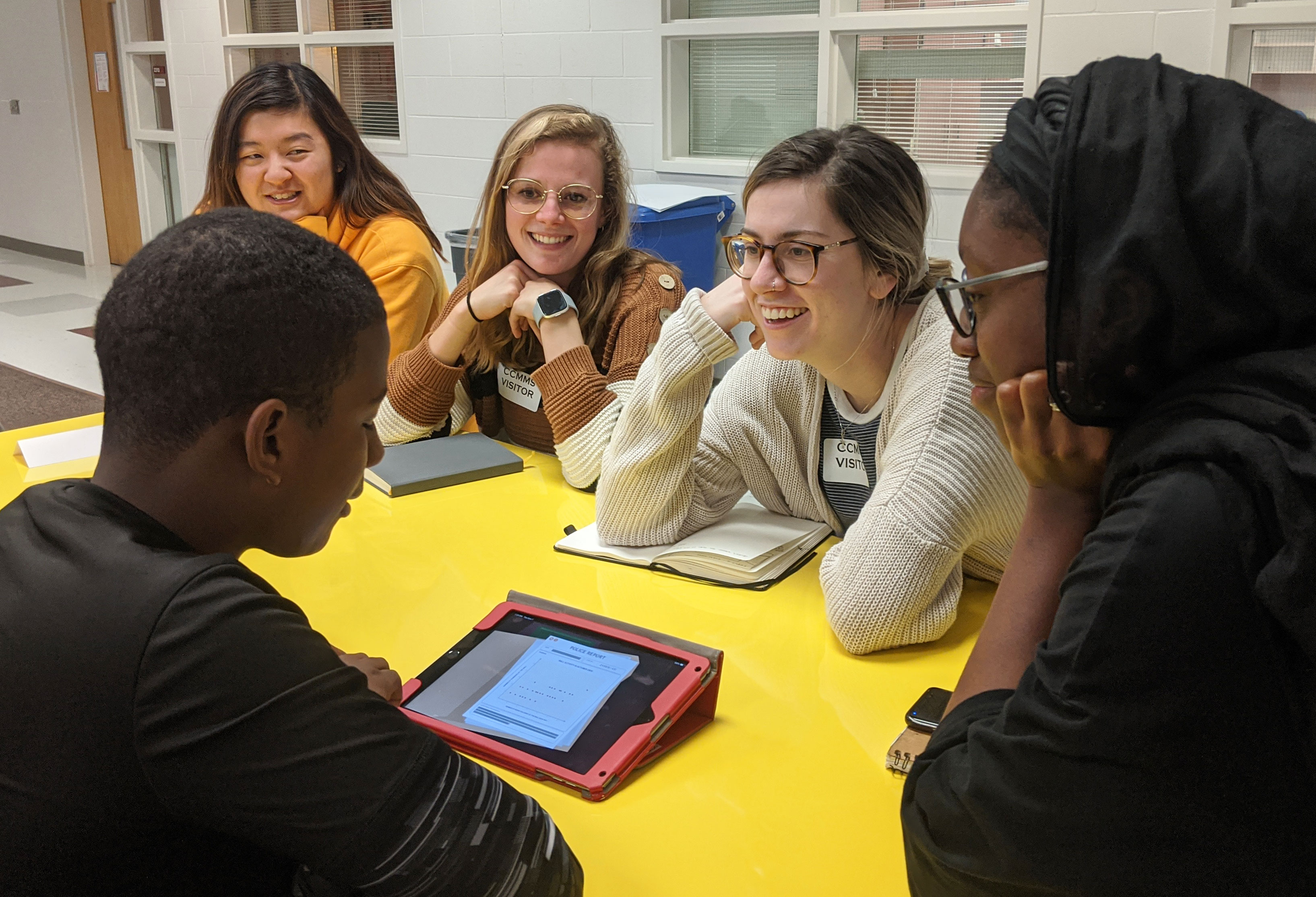
After refining our designs we went to Centennial Middle School to test our tools with the students. The testing was very successful and allowed us to see how the kids react to and move through our tool. The students all seemed to enjoy using our project and were able to successfully work through the problem.


Final Presentation
We created a solution video showing the features and functions of our interactive learning tool. Then, we presented our findings and solution to SAS staff and executives, as well as, the Dean of the Graphic Design department at NC State University.


